2026-10-24 ·
How Utah's Dry Air Affects Chimney Masonry Over Time
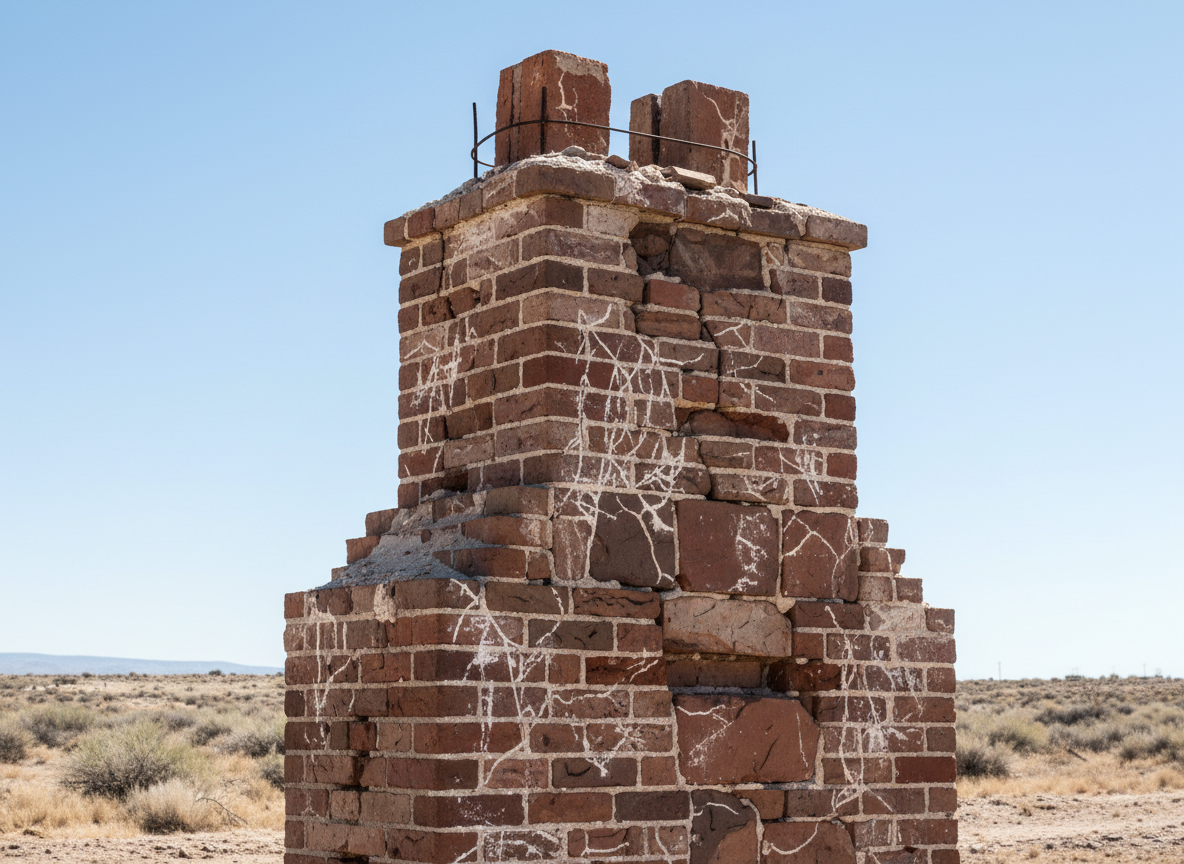
Utah's dry air accelerates chimney masonry deterioration by drawing moisture from mortar joints and brick faces, often producing visible cracks and loose material within a decade on homes built before 1990 in areas like Downtown American Fork and North American Fork.
Dry Air Effects on Mortar Joints
Utah County’s semi-arid climate keeps relative humidity low for most of the year, so mortar loses internal water faster than it can be replenished by occasional storms. In American Fork Canyon area homes, steady canyon winds increase evaporation rates, shrinking lime-based mortar and opening hairline gaps around flue tiles. These gaps allow wind-driven dust and pollen to settle, further drying the remaining binder. Over repeated summer heat cycles, the joints lose elasticity and begin to powder when touched. South American Fork properties near Timpanogos Cave experience the same pattern but with added UV exposure on south-facing stacks. The result is tuckpointing needs that appear earlier than in higher-humidity parts of the state. Regular inspection reveals whether the original mortar still bonds or has turned sandy at the surface.
Freeze-Thaw Cycles After Dry Periods
Winter cold arrives quickly after long dry spells, so any water that does enter widened joints freezes and expands before the masonry can equalize. In Pleasant Grove and Highland neighborhoods, stacks on older brick homes show spalling where the outer brick layer flakes off after one or two freeze events. The dry summer months leave the masonry more porous, increasing water uptake when snow finally melts. American Fork City Hall area homes often have taller chimneys that shed snow onto lower roof sections, concentrating meltwater at the base. This repeated expansion-contraction stresses the mortar more than steady moisture would. Homeowners notice small chips at the crown first, then progressive widening of vertical joints on the prevailing wind side.
Visible Changes in Local Housing Stock
Homes built in the 1970s and 1980s around Lehi and American Fork commonly use standard red brick with softer mortar mixes that react quickly to low humidity. Near the canyon mouth, wind funnels increase drying on the north and west faces, producing uneven weathering patterns that point to the dominant air flow. Stone veneer chimneys in Highland show similar joint recession where the stone meets the flue. These visible cues help distinguish dry-air damage from water intrusion or settling. Checking the mortar color and texture during a walk-around reveals whether the surface has become friable or remains firm under light pressure.
Practical Steps and When to Seek Help
Monitoring stacks after each winter reveals new cracks before they widen enough to affect draft. Homeowners can document changes with dated photos from ground level using binoculars. When gaps exceed the width of a nickel or bricks shift, masonry repair becomes necessary to restore weather resistance. Seasonal chimney maintenance checklist for American Fork homes outlines simple checks that fit local weather patterns. For stacks showing widespread joint failure, chimney masonry repair or chimney tuckpointing restores the original compression strength without full rebuild. Linking these observations to the related guide on creosote buildup helps residents understand how dry-air cracks also influence draft and cleaning frequency. Professional assessment at 775 Grassland Dr confirms whether tuckpointing or liner work will address the root cause in each specific exposure.