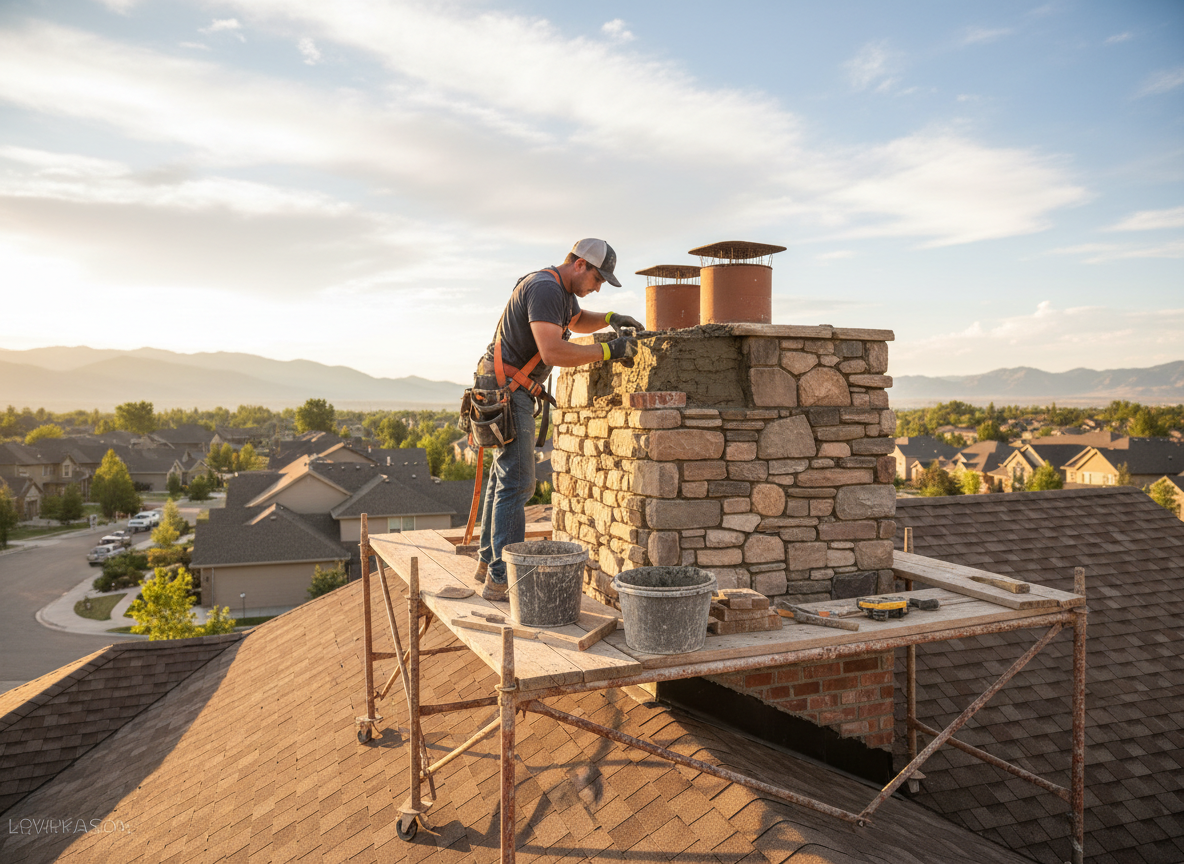
American Fork sits in a semi-arid climate where hot summers give way to cold winters that drive freeze-thaw cycles through masonry chimneys. Homes in Downtown American Fork and older neighborhoods near American Fork City Hall often have brick or stone flues installed decades ago that now show cracked mortar and spalled brick after repeated snow and ice exposure. Timpanogos Cave and the canyon terrain funnel colder air and heavier snow loads into the area, accelerating wear on crowns and flashing that homeowners in Lehi or Pleasant Grove rarely see at the same rate.
Repair work here focuses on matching original materials because modern cement-based mortars fail faster against the local soil movement and temperature swings. Technicians check for water intrusion points around the roofline where snow drifts against the chimney, then address liner gaps that let combustion gases reach framing in tightly built homes common in North American Fork. Edge cases include chimneys serving wood stoves added after the original construction, where creosote buildup combines with winter moisture to corrode metal liners faster than in milder parts of Highland.
Code compliance in Utah County requires proper clearances and approved liners on any repair that opens the flue. Skipping a full inspection of the smoke chamber and damper assembly often leads to callbacks when cold air infiltration restarts draft problems the following season. Work in the American Fork Canyon area also accounts for wind-driven rain and snow that can enter uncapped flues on exposed ridges.
Technician insight
In American Fork, the thing that catches most people out with Residential chimney repair is how quickly freeze-thaw cycles open mortar joints on south-facing chimneys in older Downtown homes once winter temperatures drop and snow sits against the crown for weeks.
South American Fork Masonry Repair
A homeowner in South American Fork noticed water stains near the fireplace after heavy canyon snow. Inspection revealed cracked crown and open mortar joints allowing meltwater to reach the flue liner. Tuck-pointing and crown rebuild restored the seal without full liner replacement.
How it works
- 1
Initial Site Assessment
Technician arrives at the American Fork address and inspects the chimney exterior, roof flashings, and interior flue from the firebox up through the crown.
- 2
Damage Documentation
Photos and notes capture cracked mortar, liner gaps, or crown deterioration specific to the home's age and exposure to canyon winds or valley snow loads.
- 3
Targeted Repair
Mortar tuck-pointing, crown rebuilding, or liner section replacement is performed using materials compatible with existing masonry and local freeze cycles.
- 4
Final Testing and Cleanup
Draft is verified, debris is removed, and the homeowner receives a written summary of work completed at the 775 Grassland Dr base location.
Pricing
Upfront quotes provided after on-site inspection; final cost depends on chimney height, access, and extent of masonry or liner work required.